
Your sport deserves the right shoe. Not the coolest shoe. Not the cheapest shoe. The right shoe.
Here’s what actually matters.
Part 1: One Shoe Does Not Fit All Sports
Let’s clear this up immediately.
| Sport | Shoe Type | Why It Matters |
|---|---|---|
| Running | Running shoes | Cushioning, forward motion, repetitive impact |
| Basketball | High-tops or mid-tops | Ankle support, lateral movement, sudden stops |
| Tennis | Tennis shoes | Lateral support, durability, court grip |
| Soccer | Cleats | Traction on grass, ball control, lightweight |
| Gym/Training | Cross-trainers | Stability for weights, versatility |
| Walking | Walking shoes | Rocker sole, heel-to-toe transition |
| Hiking | Hiking boots/shoes | Traction, ankle support, rugged sole |
Rule #1: Don’t run in basketball shoes. Don’t play tennis in running shoes. Don’t lift in running shoes (unstable).
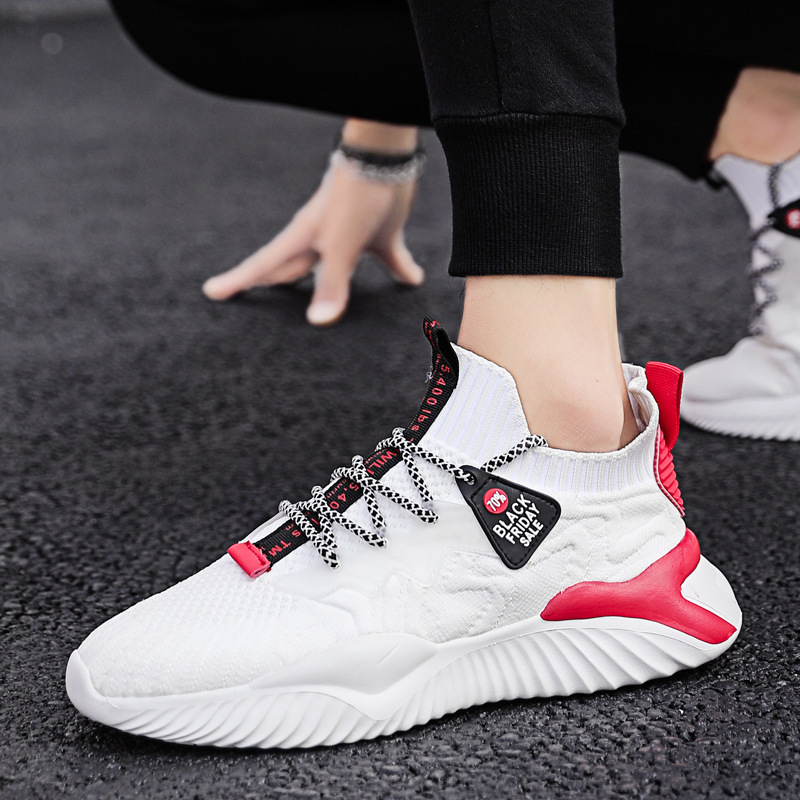
Part 2: The Anatomy of a Sports Shoe
Understanding this helps you choose better:
Upper – The fabric part on top. Should be breathable and supportive.
Midsole – The cushioning layer. EVA or foam. Absorbs impact.
Heel counter – The back part. Should hold your heel firmly (no slipping).
Outsole – The bottom. Rubber. Tread pattern varies by sport.
Toe box – The front. Room to wiggle toes, but not too much.
Part 3: Choosing by Sport
Running Shoes
What to look for:
- Cushioning level: Minimal (barefoot feel), moderate (daily training), max (long runs, heavy runners)
- Pronation support: Neutral, stability, or motion control
- Drop: Heel-to-toe difference (4mm for natural stride, 8-12mm for heel strikers)
Pro tip: Replace every 300–500 miles or 6 months. The foam breaks down even if the tread looks fine.
Top brands: Brooks, Asics, Saucony, Hoka, New Balance
Basketball Shoes
What to look for:
- Ankle support (high-tops for guards, mid for versatility)
- Cushioning (impact from jumping)
- Traction (herringbone pattern is classic)
- Lightweight (especially for guards)
Pro tip: If you play outdoors, choose a shoe with harder rubber. Indoor courts are more forgiving.
Top brands: Nike, Adidas, Under Armour, Puma
Tennis Shoes
What to look for:
- Lateral support (side-to-side movement)
- Durability (hard toe cap, reinforced sides)
- Traction (specific to court type: hard court, clay, grass)
- Low profile (stability over cushioning)
Pro tip: Clay court shoes have herringbone tread. Hard court shoes have denser rubber. Use the right one.
Top brands: Asics, Nike, Adidas, Wilson, Babolat
Soccer Cleats
What to look for:
- Studs: Firm ground (FG), soft ground (SG), artificial turf (AG)
- Fit: Snug, almost tight (no slipping inside)
- Material: Leather (comfort) or synthetic (lightweight, durable)
- Position: Forwards want lightweight, defenders want durability
Pro tip: Try on with the socks you’ll wear during games.
Top brands: Nike, Adidas, Puma, New Balance
Cross-Training Shoes
What to look for:
- Flat, stable base (no rocker, no thick heel)
- Support for lateral movements
- Good grip for various surfaces
- Slightly wider toe box (for stability during lifts)
Pro tip: If you lift heavy weights, consider a dedicated lifting shoe (flat sole, elevated heel).
Top brands: Nike Metcon, Reebok Nano, NoBull, Under Armour
Hiking Shoes/Boots
What to look for:
- Ankle support (boots for rough terrain, shoes for easier trails)
- Traction (Vibram or similar)
- Waterproofing (Gore-Tex if you hike in wet conditions)
- Weight (lighter for day hikes, heavier for backpacking)
Pro tip: Break them in before a long hike. Two weeks of short walks first.
Top brands: Merrell, Salomon, Keen, Columbia, Oboz
Part 4: The Try-On Checklist
When testing sports shoes, do this:
- Wear your sport socks – Not dress socks. The ones you’ll actually use.
- Try on both shoes – Feet are often different sizes.
- Test your sport’s movement – Jump, cut, squat, or jog in the store.
- Check the toe box – Thumb’s width between longest toe and front of shoe.
- Check the heel – No slipping. If it slips, size down or try a different brand.
- Shop in the afternoon – Feet swell during the day. Morning fit = tight evening.
The Bottom Line
Your sport deserves the right shoe. That doesn’t mean the most expensive or the most hyped. It means the one that fits your foot, your sport, and your budget.
Buy for function. Replace when worn. Rotate if you can. Your joints will thank you.
What’s your sport, and what shoe are you wearing? Any favorites or disasters? Share below!
