
Let’s be honest—kids’ shoes are a whole different beast. They grow out of them in three months. They destroy them in two. And somehow, they always lose just one.
This isn’t about building a “capsule collection” or following trends. It’s about surviving the tiny shoe chaos with your wallet and your sanity intact.
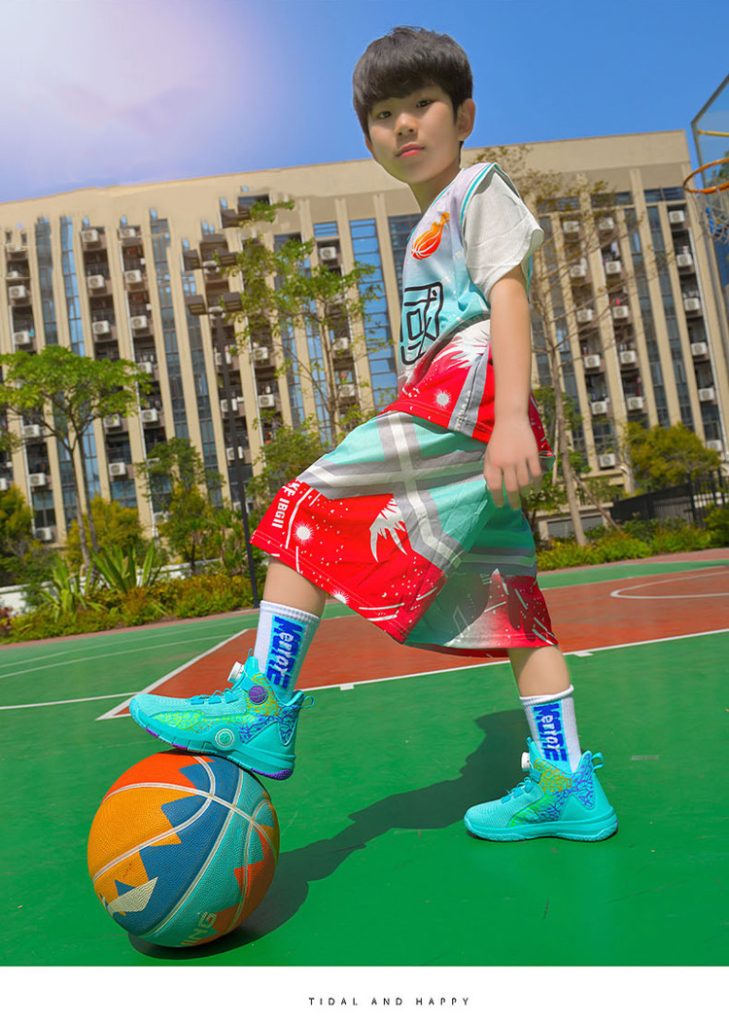
Part 1: The Brutal Truth About Kids’ Shoes
They will outgrow them. Fast. A 3-year-old’s foot grows up to two full sizes per year. That means new shoes every 4–6 months.
They will destroy them. Mud, puddles, playground gravel, stomping in mysterious puddles. These shoes owe you nothing.
They will lose one. Left shoe at preschool. Right shoe under the car seat. The pair will be separated forever.
Accept these truths. Then plan accordingly.
Part 2: How Many Pairs Does a Kid Actually Need?
Not 10. Not even 5. Here’s the real number:
| Age | Everyday Sneakers | Weather Shoes | “Nice” Shoes | Total |
|---|---|---|---|---|
| 0–12 months | 1 pair soft soles | 1 pair booties (winter) | 0 | 1–2 |
| 1–3 years | 2 pairs (rotate) | 1 pair rain boots | 1 pair (holidays/photos) | 4 |
| 4–7 years | 2 pairs (rotate) | 1 pair rain/snow boots | 1 pair (events) | 4 |
| 8–12 years | 2 pairs (rotate) | 1 pair weather boots | 1–2 pairs (sports + events) | 4–5 |
| Teens | 2–3 pairs (style matters now) | 1 pair boots | 2 pairs (events + sports) | 5–6 |
The magic number for most kids: 4–5 pairs total. That’s it.
Part 3: Types of Shoes – What You Actually Need
Everyday Sneakers (2 pairs)
Why two? Because one will get wet. Because one will be in the car. Because kids are chaos.
Look for: Breathable mesh (summer), sturdy leather or synthetic (winter), easy velcro or bungee laces
Rotate them: Never wear the same pair two days in a row. Shoes need to dry out.
Rain or Snow Boots (1 pair)
Non-negotiable if you live where weather happens.
Rain boots: Easy to clean, easy to pull on, room for thick socks
Snow boots: Insulated, waterproof, good tread
Pro tip: Buy one size up. Thick socks fill the gap.
“Nice” Shoes (1 pair)
For holidays, family photos, weddings, school concerts.
Little kids: Soft leather or canvas – flexible, not stiff dress shoes
Bigger kids: Clean sneakers work fine. Don’t buy stiff dress shoes they’ll wear twice.
Sport-Specific (as needed)
Soccer cleats. Ballet flats. Basketball shoes. Gymnastics slippers.
Rule: Buy used. They outgrow these faster than any other shoe.
Part 4: Sizing – The Most Important Thing
The One-Week Test
A shoe that fits today might be too small next month. Check every single week.
The Thumb Rule
With shoes on, press your thumb at the longest toe. You should feel a gap the width of your thumb (about half an inch).
The Heel Test
Put the shoes on. Can you slip a pinky finger between heel and shoe? Too loose. No gap? Too tight.
When to Size Up
- Red marks on feet after removing shoes
- Complaints of foot pain (listen to this)
- Toes curled or bent inside shoes
- Blisters on heels or toes
The “One Size Up” Strategy
For fast-growing toddlers (1–3 years), buy the next size up if the current pair has less than a thumb’s width left. You’ll get 2–3 more months.
Part 5: Fastening Types – Velcro vs. Laces vs. Slip-Ons
| Age | Best Fastening | Why |
|---|---|---|
| 1–3 years | Velcro or slip-on | Little fingers can’t tie laces |
| 4–6 years | Velcro (still) or bungee laces | Learning to tie takes time |
| 7+ years | Laces (learn to tie) or Velcro for sports | Life skill + better fit |
| Any age | Avoid real laces for kids who can’t tie them | Tripping hazard + teacher frustration |
Pro tip: Elastic laces (lock laces) turn any shoe into a slip-on. Game changer for kindergarteners.
Part 6: Materials – What’s Safe, What’s Not
Best for Little Feet (0–4 years)
- Leather or canvas – Breathable, flexible, molds to foot
- Mesh – Great for summer, terrible for puddles
- Avoid stiff synthetics – Restricts natural foot movement
Best for Bigger Kids (5+ years)
- Leather – Durable, worth the money
- Mesh – Good for sports, breathable
- Rubber soles – Non-negotiable for playground safety
What to Avoid at Any Age
- Hard, stiff soles (like mini dress shoes) – Bad for developing feet
- Hand-me-downs worn by one child – Molds to the previous foot, can cause problems
- Cheap flip-flops – Tripping hazard, no arch support
Part 7: Seasonal Strategies
Spring/Summer
- Mesh sneakers (feet breathe)
- Closed-toe sandals (playground safe)
- Water shoes (pool, beach, splash pads)
- Skip open-toe sandals for active toddlers (stubbed toes are real)
Fall/Winter
- Leather or synthetic sneakers (keep feet dry)
- Rain boots or snow boots
- Wool socks (thin enough to fit in boots)
The Wet Shoe Emergency
Kids step in puddles. It’s inevitable.
Fix: Stuff wet shoes with newspaper. Changes every few hours. Dry by morning.
Part 8: The Hand-Me-Down Question
Can you reuse older sibling’s shoes?
Yes, if:
- The first child wore them lightly
- They’re not misshapen
- The soles aren’t worn unevenly
No, if:
- The first child wore them daily for months
- The insoles are compressed
- You can see uneven wear patterns
Why it matters: Shoes mold to the original owner’s feet. A hand-me-down shoe can cause gait problems or discomfort.
Safe hand-me-downs: Rain boots, snow boots, sandals (open), special occasion shoes worn twice.
Part 9: Storage – Containing the Chaos
By the Door
- Low, open bin – Kids can reach, shoes visible, no lids to remove
- Over-the-door hanging organizer – Clear pockets, each holds one pair
- Shoe rack with picture labels – Stick a photo of each shoe type on the shelf
In the Car
- Backseat organizer with pockets – One pair each, always have backups
- Small tote bag – Emergency shoes for forgotten gym days
The Lost Shoe Protocol
One shoe missing? Check:
- Under the car seats
- Under the couch cushions
- In the toy box (yes, really)
- At daycare/school (call them)
Pro tip: Write your phone number inside shoes. Someone might actually call.
Part 10: Shopping on a Budget
Where to Spend
- Everyday sneakers – Buy new. Quality matters for daily wear.
- Winter boots – Buy new or barely used. Insulation degrades.
Where to Save
- Rain boots – Used is fine. They’re rubber.
- Sport-specific shoes – Used or borrow from teammates.
- “Nice” shoes – Used. They wear them twice.
- Summer sandals – Used or cheap. They outgrow them fast.
Timing Matters
Buy next season’s shoes at the end of the current season.
- Winter boots in March (clearance)
- Summer sandals in September (clearance)
- Sneakers anytime (rarely go on deep discount)
The Two-Week Rule
If a child hasn’t worn a pair of shoes in two weeks, donate them. The next size is coming.
Part 11: When to Spend Real Money
Some kids need better shoes. Here’s when:
Flat feet or overpronation: See a pediatric podiatrist. Get recommendations. Spend on supportive shoes.
Very wide or very narrow feet: Cheap brands fit standard widths. Spend more for brands that offer width options (New Balance, Stride Rite, See Kai Run).
Frequent ankle rolls: High-top sneakers or boots. Worth the investment.
For everyone else: Target, Walmart, and Payless (RIP) shoes are fine. Kids grow too fast for $80 sneakers.
Part 12: Teaching Kids to Care for Shoes
Ages 2–4
- Put shoes in the bin when you come inside
- Take off shoes before jumping on furniture
Ages 5–7
- Wipe mud off with a towel
- Stuff wet shoes with newspaper
- Velcro closed before throwing in bin (prevents tangling)
Ages 8–12
- Lace and unlace their own shoes
- Check soles for wear
- Tell you when shoes feel tight
Teens
- Buy their own shoes with a budget
- Clean their own sneakers
- Donate outgrown pairs themselves
The Bottom Line
Children’s shoes are not an investment. They are a recurring expense, like diapers or wipes. Buy what fits, buy what’s safe, and don’t feel guilty about buying cheap.
Four pairs per kid. Check sizing every week. Store them low where kids can reach. Donate the outgrown ones immediately—they won’t fit the next child anyway.
Your sanity matters more than perfectly curated tiny shoe shelves.
What’s your biggest kid shoe struggle? The lost single shoe? The growth spurt that ate your budget? Share below—we’re all in this together.
