
Have you ever measured how much of your precious kitchen counter is occupied by clutter? According to home organization studies, the average household loses over 30% of their counter workspace to everyday items like spices, utensils, and small appliances. What if you could reclaim that space while making your kitchen more functional and beautiful?
Kitchen racks are the unsung heroes of smart home organization, but most people use them incorrectly or choose the wrong type for their needs. Let’s explore how to use vertical space strategically to transform your cooking experience.
1. Why Your Current System Isn’t Working
Before we dive into solutions, let’s identify common kitchen storage mistakes:
- The Horizontal Clutter Trap: Everything laid out flat on counters
- The Deep Cabinet Black Hole: Items lost in the back of cabinets
- The Single-Purpose Problem: Racks that only serve one function
- The Inaccessibility Issue: Needing to move three things to reach one
The psychological impact is real: cluttered kitchens increase cooking anxiety and meal prep time by up to 15 minutes per meal.
2. The 5 Kitchen Rack Types Every Home Needs
A. The Multi-Tiered Spice Rack: The Flavor Organizer
Best For: Countertops, inside cabinet doors, or next to the stove
Smart Features to Look For:
- 360-degree rotating tiers for easy access
- Clear labeling system (alphabetical or by cuisine type)
- Expandable design that grows with your collection
Pro Tip: Position within arm’s reach of your main cooking area. Group spices by frequency of use—daily essentials on top, special occasion spices below.
B. The Wall-Mounted Pot Rack: The Vertical Space Maximizer
Best For: Above islands or in empty wall spaces
Types:
- Ceiling-hung racks with pulleys for heavy cookware
- Wall-mounted grids with customizable hooks
- Magnetic knife strips with integrated utensil holders
Capacity Secret: A standard 24-inch rack can hold 8-10 pots/pans, completely freeing up an entire lower cabinet.
C. The Under-Shelf Basket System: The Hidden Multiplier
Best For: Inside cabinets, pantries, or on refrigerator tops
Installation Hacks:
- Use tension rods to create instant hanging storage
- Install under-cabinet baskets for fruit, onions, or cleaning supplies
- Add sliding racks to deep shelves for easy access to back items
Space Gain: Adds 40% more storage without using any additional floor space.
D. The Pull-Out Pantry Rack: The Deep Storage Solution
Best For: Narrow spaces between appliances or cabinets
Transformative Features:
- Telescoping sides that adjust to any space (10-24 inches wide)
- Roll-out shelves for canned goods and dry storage
- Tiered design that utilizes every inch vertically
Before & After Impact: Converts a useless 6-inch gap into storage for 50+ food items.
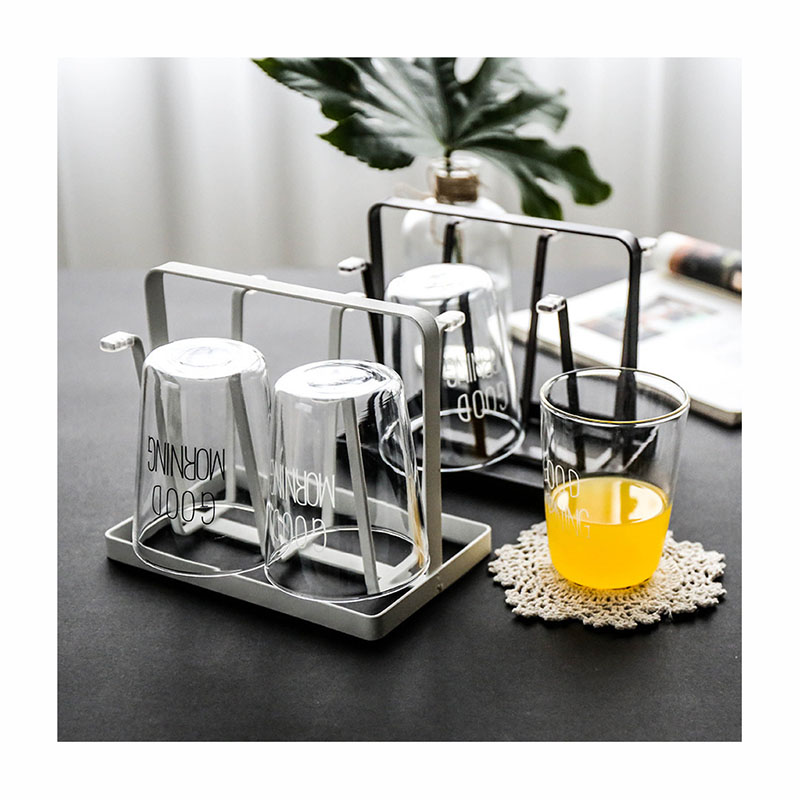
E. The Drying/Draining Combo Rack: The Wet Zone Manager
Best For: Next to sinks or on empty counter sections
Innovative Designs:
- Over-sink racks with integrated cutting board storage
- Collapsing silicone racks that save space when not in use
- Multi-level designs that separate utensils, plates, and glasses
Hygiene Bonus: Proper drying reduces bacterial growth by 80% compared to towel-drying and stacking.
3. The Installation Masterclass: Where and How
Zone-Based Placement Strategy
- Prep Zone (near cutting area): Knife magnet, paper towel holder, small utensil rack
- Cooking Zone (stove adjacent): Spice rack, pot lid holder, cooking utensil crock
- Clean Zone (sink area): Drying rack, sponge caddy, cleaning supply organizer
- Pantry Zone (dry storage): Can racks, tiered shelf organizers, bag dispensers
Professional Installation Tips
- Weight Capacity First: Always check load limits and use appropriate wall anchors
- The Golden Height Rule: Install most-used items between hip and eye level
- Consistent Spacing: Maintain 2-3 inches between rack items for easy removal
- Lighting Integration: Add under-rack LED strips for both function and ambiance
4. The Style-Cohesion Formula
Your racks should complement your kitchen’s aesthetic:
- Industrial Look: Black iron pipe racks with metal mesh baskets
- Farmhouse Style: Rustic wood with wrought iron hooks
- Modern Minimalist: Sleek stainless steel with clean lines
- Scandinavian: Light wood tones with white or pastel containers
Color Coordination Trick: Spray paint basic metal racks to match your cabinet hardware for a custom, cohesive look.
5. Maintenance & Evolution System
Weekly Upkeep Routine (5 minutes max):
- Wipe down with appropriate cleaner (vinegar solution for stainless, mild soap for wood)
- Check for loose screws or mounting hardware
- Reorganize any misplaced items back to their designated spots
Quarterly “Rack Audit”:
- Remove everything and assess what you actually use
- Donate or discard items untouched for 90+ days
- Adjust heights/arrangements based on changing needs
- Deep clean all surfaces and check structural integrity
6. Budget-Friendly Alternatives & DIY Solutions
Don’t overlook these clever, low-cost options:
- Repurposed Ladders: Lean a wooden ladder against a wall for hanging pots or towels
- Pegboard Systems: Customizable and surprisingly stylish when painted
- Tension Rod Grids: Create vertical storage between cabinets
- Magnetic Strips: For knives, spice tins, or metal utensil holders
DIY Project Idea: Convert an old wooden shutter into a vertical spice rack with small shelves on each slat.
The Transformation Timeline
- Week 1: Install one high-impact rack (spice or pot rack)
- Week 2: Add under-shelf baskets in 2-3 key cabinets
- Week 3: Implement the drying rack system
- Month 2: Install your pull-out pantry solution
- Month 3: Conduct your first quarterly audit and adjust
The true measure of successful kitchen rack implementation isn’t just about organization—it’s about how much more you enjoy cooking. When every tool has its place and ingredients are effortlessly accessible, meal preparation transforms from a chore into a creative, stress-free activity.
The most efficiently racked kitchen isn’t the one with the most storage; it’s the one where the storage disappears into the flow of cooking, becoming an invisible partner in your culinary creations. Start with one rack that solves your biggest pain point, and let the transformation begin.
What’s your biggest kitchen rack challenge or success story? Share your experience in the comments below—your solution might be exactly what another reader needs!
