
We talk about outdoor shoes. Work shoes. Gym shoes. But what about the shoes you wear when no one’s watching?
The ones that live by the sofa. The ones that make you feel like you’re not wearing shoes at all.
Let’s talk about that.
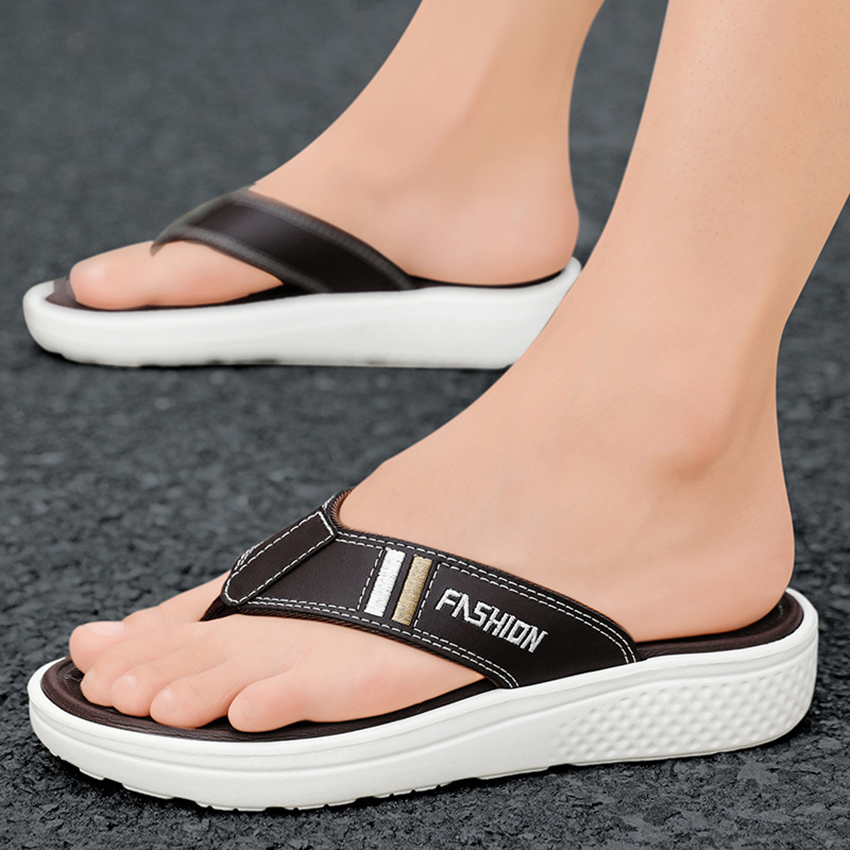
The Two Types of Living Room Shoes
Type 1: Indoor-Only Slippers
Worn: Inside only. Never see the outside world.
Purpose: Warmth, comfort, protecting socks from cold floors.
Look for:
- Soft, flexible sole (can’t be worn outside)
- Breathable upper (feet sweat less)
- Machine washable (you’re wearing them daily)
- A heel you can slip on without bending
Skip: Open-back slippers (they fall off), fur-lined (it matts), shoes with outdoor soles (tracks dirt in).
Type 2: House Shoes (The Hybrid)
Worn: Inside mostly, but you can walk to the mailbox. Maybe the garden.
Purpose: Support, warmth, easy on/off.
Look for:
- Rubber or cork sole (light, not squeaky)
- Supportive enough for hours on hard floors
- Easy to slip on or off
Examples: Birkenstock Boston, Shearling-lined moccasins, leather slides
Materials That Work (and Don’t)
| Material | Works For | Why |
|---|---|---|
| Wool/felt | Slippers | Warm, breathable, washable |
| Shearling | Slippers | Warmest, cozy, but not washable |
| Leather | House shoes | Durable, molds to feet |
| Suede | House shoes | Soft, but needs care |
| Rubber/cork | House shoes | Grips floors, lasts |
Avoid: Plastic soles (sweaty feet), polyester fleece (pills, traps heat).
Soles That Won’t Destroy Your Floors
- Rubber: Quiet, grips, won’t scratch wood
- Leather: Soft, quiet, but can mark floors
- Cork: Light, supportive, quiet
- EVA foam: Light, quiet, but wears fast
Hard pass: Lug soles, heavy treads, outdoor soles—these belong outside.
When You Need Support (Not Just Warmth)
Hardwood and tile floors are brutal on your feet. Slippers without arch support = sore feet by 9 PM.
If you have:
- Plantar fasciitis → Birkenstock Boston (cork arch)
- Flat feet → Vionic or Orthofeet
- High arches → Shearling-lined moccasins with removable insoles
- Just want comfort → Any quality slipper with a footbed
The One-Hand Test
Good living room shoes should go on and off with one hand.
- Slip-on = yes
- Velcro = maybe
- Laces = no (you’re at home, laces are for outside)
Quick Care
| Type | Care |
|---|---|
| Wool/felt slippers | Machine wash gentle, air dry |
| Shearling | Spot clean only (don’t get them wet) |
| Leather house shoes | Wipe, condition occasionally |
| Sheepskin | Brush, no water |
Smell prevention: Sprinkle baking soda inside overnight. Shake out.
How Many Pairs?
One pair. Maybe two if you live somewhere cold and need shearling for winter, canvas for summer.
That’s it. Living room shoes aren’t a collection. They’re a tool.
The Family Factor
If kids and visitors take off shoes in your living room:
Have a basket near the entrance. Fill it with inexpensive slippers (cotton or felt). Visitors don’t have to walk around in socks. Kids can slide their feet in without a struggle.
When to Replace
- Holes in the sole
- Lining is worn through
- No support left (flat as a pancake)
- Smell that won’t come out
Life expectancy: 1–3 years depending on material and how often you wear them.
The Bottom Line
Your living room shoes should be the easiest decision you make all day.
Slip them on. Feel warm. Feel supported. Move around your house without thinking about your feet.
Because the best part of coming home is taking off your outside shoes and putting on your inside ones.
What do you wear inside? Slippers? Slides? Nothing? Share below—I’m genuinely curious.
